Axolotl Nutrition: The Bio-Nutritional Blueprint of Ambystoma mexicanum
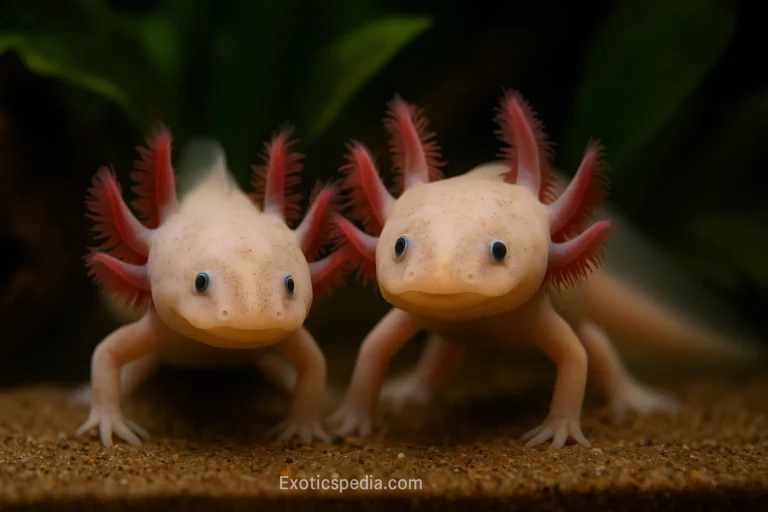
Regeneration aur growth ke liye bohot zyada energy ki zaroorat hoti hai. Aik axolotl ki sehat ka raaz sirf pani ki quality mein nahi, balki uske Nutrient Intake mein chhupa hai. Aik obligate carnivore hone ke naate, Ambystoma mexicanum ka digestive system specific amino acids aur lipids ko process karne ke liye design kiya gaya hai.
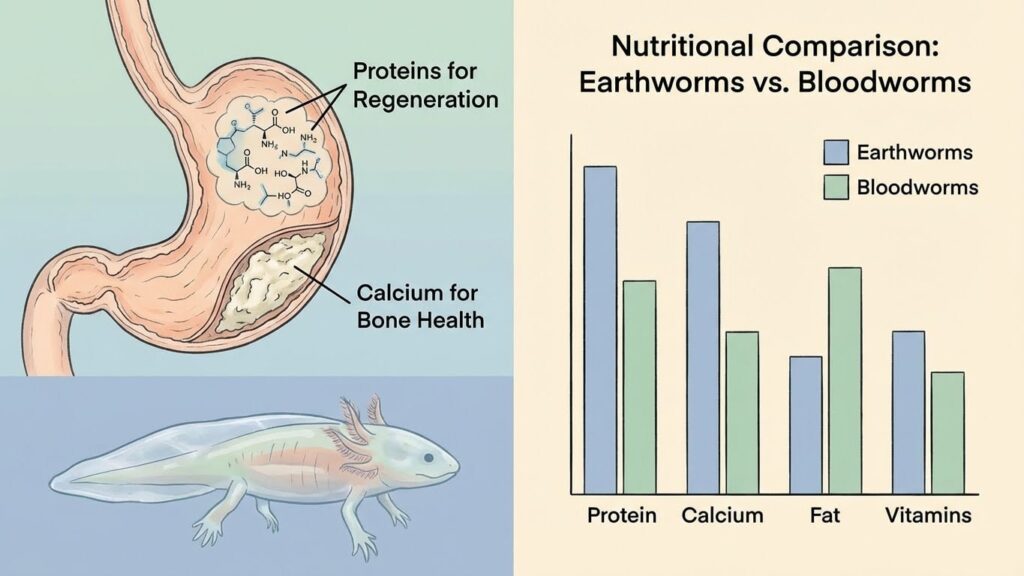
1. Digestive Physiology: The Mechanics of Suction Feeding
Axolotls ke paas chabane ke liye daant nahi hote (unke vestigial teeth sirf shikaar ko pakadne ke liye hote hain). Wo Vacuum Suction ka istemal karte hain.
- The Process: Jab prey qareeb aata hai, axolotl tezi se apna moonh kholta hai, jis se pressure drop hota hai aur shikaar seedha unke stomach mein chala jata hai.
- Metabolic Rate: Choonki ye ectotherms (cold-blooded) hain, inka metabolism pani ke temperature par depend karta hai. Garam pani metabolism ko tez karta hai, jabke thanda pani isay slow kar deta hai.
2. The “Gold Standard”: Why Earthworms Lead the Diet
Nutrition science ke mutabiq, Nightcrawlers (Earthworms) axolotl ke liye sabse behtareen ghiza hain.
- Amino Acid Profile: In mein wo tamam zaroori protein building blocks hote hain jo limb regeneration ke liye chahiye hote.
- Water Content: In mein hydration aur vitamins ka perfect balance hota hai.
- Pro-Tip: Agar aapka axolotl worm thook raha hai, toh shayad usay “dirt” ka zayqa pasand nahi aa raha. Worm ko khilane se pehle hamesha dechlorinated pani se dho lein.
Cellular Resurrection: The Molecular Mechanisms of Axolotl Regeneration
3. The Calcium-to-Phosphorus Ratio (Ca:P)
Ye wo scientific detail hai jo 90% blogs miss kar dete hain. Axolotls ko skeletal health ke liye Calcium ki zaroorat hoti hai.
- The Ratio: Unki diet mein Calcium ka level Phosphorus se zyada ya barabar hona chahiye (Ideal 1.5:1).
- The Danger: Agar aap sirf Bloodworms (high phosphorus, low calcium) khilate hain, toh axolotl ko Metabolic Bone Disease (MBD) ho sakta hai, jis se unki haddiyan naram ho jati hain aur wo move nahi kar paate.
4. Feeding Schedule by Life Stage
| Life Stage | Food Recommendation | Frequency |
|---|---|---|
| Hatchlings (Larvae) | Live Baby Brine Shrimp, Daphnia | 2 times daily |
| Juveniles (2-5 inches) | Chopped Blackworms, Small Pellets | Once daily |
| Adults (6+ inches) | Large Earthworms, High-Protein Pellets | Every 2-3 days |
5. Dangerous Foods to Avoid
Scientific research ke mutabiq, kuch cheezein axolotl ke delicate GI tract (stomach) ko nuqsan pahunchati hain:
- Mammalian Meat: Gaaye ya murgi ka gosht nahi dena chahiye kyunki axolotls mammalian fats ko digest nahi kar sakte.
- Feeder Fish: In mein parasites hote hain aur Thiaminase (ek enzyme jo Vitamin B1 ko khatam kar deta hai) ho sakta hai.
- Chitinous Insects: Zyada sakht shell wale insects (jaise bade beetles) impaction paida kar sakte hain.